The Architecture of the Self: How Your Past Provides the Blueprint for Your Future
In the world of construction, a blueprint is a technical drawing that defines the structure, the materials, and the foundation of a building. It tells the story of what a structure is intended to be. However, many women in midlife look back at their lives and see something that feels more like a demolition site than a masterfully designed home. They see the “hard parts”, the years of survival, the health battles, the systemic barriers, or personal losses, and assume those experiences have ruined the “site” of their lives.
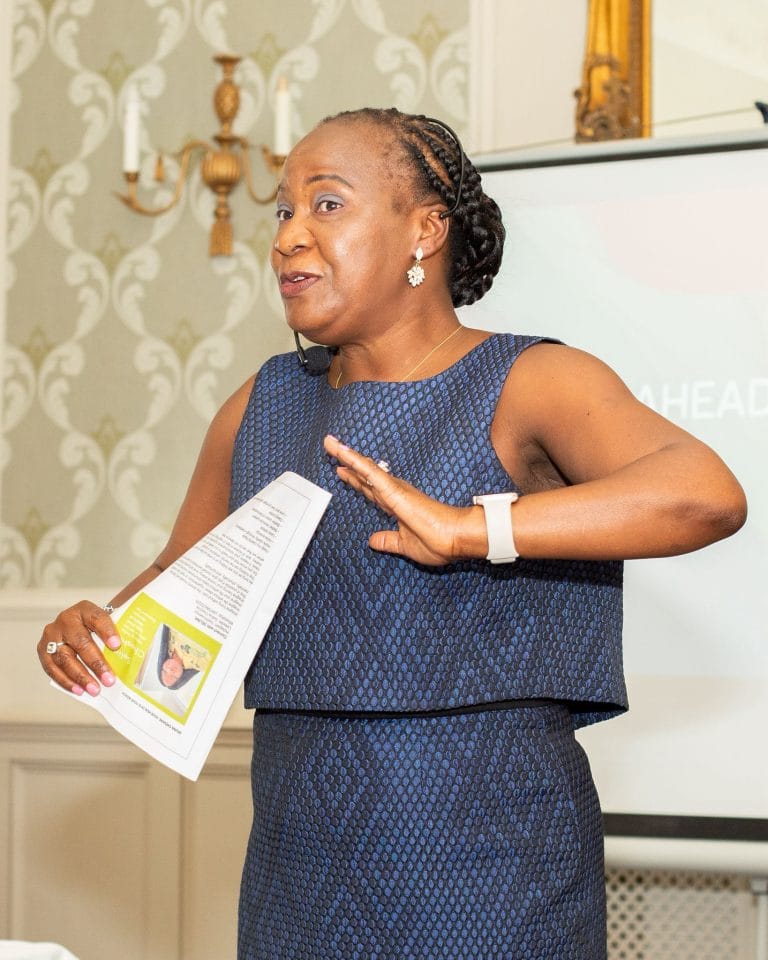
Rujeko Oscars-Brown views this through a different lens. As a coach who navigated 20 years as an undocumented migrant while surviving cancer and eventually becoming a professional in the UK, she understands that your past is not a pile of rubble.
Instead, your past, even the most painful chapters, provides the Architecture of the Self. The hardships you have endured are not obstacles to your future; they are the very materials that provide the strength, depth, and blueprint for your reinvention.
The Foundation of Resilience
Every architect knows that the most important part of a building is the part you cannot see: the foundation. To support a tall, significant structure, the foundation must go deep into the earth. This process involves excavation, the removal of dirt and the clearing of space.
For women between 40 and 60, the “excavation” period often felt like a series of hardships. Perhaps you spent your 30s in “Survival Mode,” much like Rujeko did, where your only goal was to keep your head above water. In the moment, those years feel like wasted time. You might look in the mirror and think, “I’ve lost twenty years to struggle.”
Rujeko’s restorative framework challenges this. Those twenty years were not lost; they were the years your foundation was being poured. The resilience you developed while navigating “the system,” raising children under pressure, or fighting a physical illness is the high-grade “concrete” of your identity.
You didn’t just survive; you developed a capacity for endurance that many people will never know. When you decide to reinvent yourself in midlife, you aren’t starting from scratch, you are building on a foundation that has already been tested by the storm.
The Blueprint in the Brokenness
We often try to hide the “broken” parts of our history, believing they make us less marketable or less capable of a fresh start. We hide the career gaps, the health struggles, or the years spent in roles that felt beneath our potential.
However, in the Architecture of the Self, these broken pieces serve as specific indicators for your future purpose. Rujeko believes that your “pain points” often point directly toward your “purpose points.”
- The Struggle for Belonging: If you spent years feeling like an outsider (the “undocumented” heart), your blueprint likely includes a unique gift for building inclusive communities or advocating for the unheard.
- The Battle for Health: If you have faced a diagnosis like cancer, your blueprint is encoded with a deep understanding of wellness, boundaries, and the value of time.
- The Weight of Responsibility: If you have been the “pillar” for everyone else, your blueprint contains mastery in management, empathy, and strategic thinking.
Instead of trying to draw a brand-new blueprint for your “Third Act,” Rujeko encourages women to look at the existing lines. What did your hardest years teach you about what you truly value?
Usually, the blueprint for your next career move or life chapter is already written in the margins of your old journals and the lessons of your past.
Reframing the “Hard Parts” as Structural Assets
In architecture, some of the most beautiful features are “exposed” elements, bricks or beams that show the history of the building. Similarly, the hard parts of your story are structural assets. Rujeko helps women move from a state of “Survival” to a state of “Authority” by reframing these assets:
1. The Asset of Perspective
Having seen the bottom, you are no longer afraid of it. This gives you a “risk-tolerance” that younger professionals often lack. You know that even if a new venture or a career change is difficult, you have the internal tools to handle it.
2. The Asset of Empathy
Your past allows you to see people through a trauma-informed lens. You become a leader, a mentor, or a creator who builds things that actually serve human needs, rather than just chasing corporate metrics.
3. The Asset of Urgency
Surviving a crisis gives you a “clarity of time.” You no longer have the patience for “fluff” or “corporate-speak.” You want meaningful, sustainable work. This urgency is the fuel that drives purposeful reinvention.
Biblical Anchors: The Master Architect
When the past feels too heavy to carry into the future, Rujeko points toward the ultimate source of restoration. Isaiah 41:10 says: “So do not fear, for I am with you; do not be dismayed, for I am your God. I will strengthen you and help you; I will uphold you with my righteous right hand.”
This verse is a reminder that you are not the sole architect of your life. There is a Master Architect who was with you during the “excavation” years. He saw the struggle of the undocumented years; He saw the fear in the hospital room; He saw the exhaustion of the “Mother” years.
If He was there to “uphold” you then, He is certainly here to help you “build” now. You don’t have to be “dismayed” by your past because, in His hands, no material is wasted. He is the one who takes the “stones that the builders rejected” and makes them the cornerstones of a new, beautiful season.
Experimenting with Your New Structure
Once you recognize that your past is your blueprint, the next step in Rujeko’s framework is Experimenting. This is where you begin to “build” small parts of your new life based on the old lessons.
If your past taught you that you are a gifted communicator under pressure, how can you “test-drive” that in a new career? If your survival years taught you the importance of internal safety, how can you design a business that prioritizes peace over frantic growth?
Reinvention isn’t about ignoring the woman you were at 30 or 40. It’s about taking her wisdom and giving it a more modern, spacious, and beautiful “home” to live in. It’s about ensuring that the architecture of your life finally matches the strength of your soul.
Taking the First Step
Your past is not a prison; it is a portfolio of your strength. If you look at your life and see only the struggle, you are missing the blueprint for your most significant work yet. The hardest parts of your journey have equipped you with a specialized set of tools that the world desperately needs.
Transformation begins when you stop apologizing for your history and start using it as your foundation. Rujeko Oscars-Brown is dedicated to helping women aged 40–60 translate their lived experience into a confident, reinvented future.
Whether you are looking to pivot your career, start a heart-led business, or simply find your voice again, you don’t have to do it alone. The “Identity Gap” can be bridged, and the “Survival Mode” can be deactivated.
Book a Free Discovery Call with Rujeko today to discuss the architecture of your life. Together, you can look at the blueprint of your past and begin building a future that is restorative, meaningful, and entirely yours.
Explore how her 6 and 8-week programs can provide the support you need to turn your “survival” into “revival.”