The Identity Gap: Why Midlife Feels Like Meeting a Stranger in the Mirror
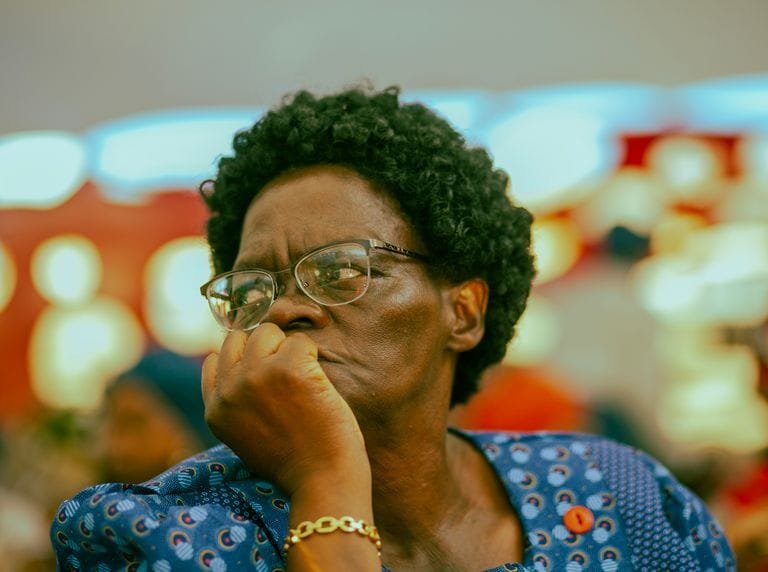
For many women, there comes a quiet, unsettling moment when they catch their reflection, perhaps in a shop window or the bathroom mirror, and feel a strange sense of detachment. It isn’t just the appearance of new lines or the change in silhouette; it is a deeper, more internal disconnect. It is the realization that the woman staring back doesn’t quite match the person they feel like inside.
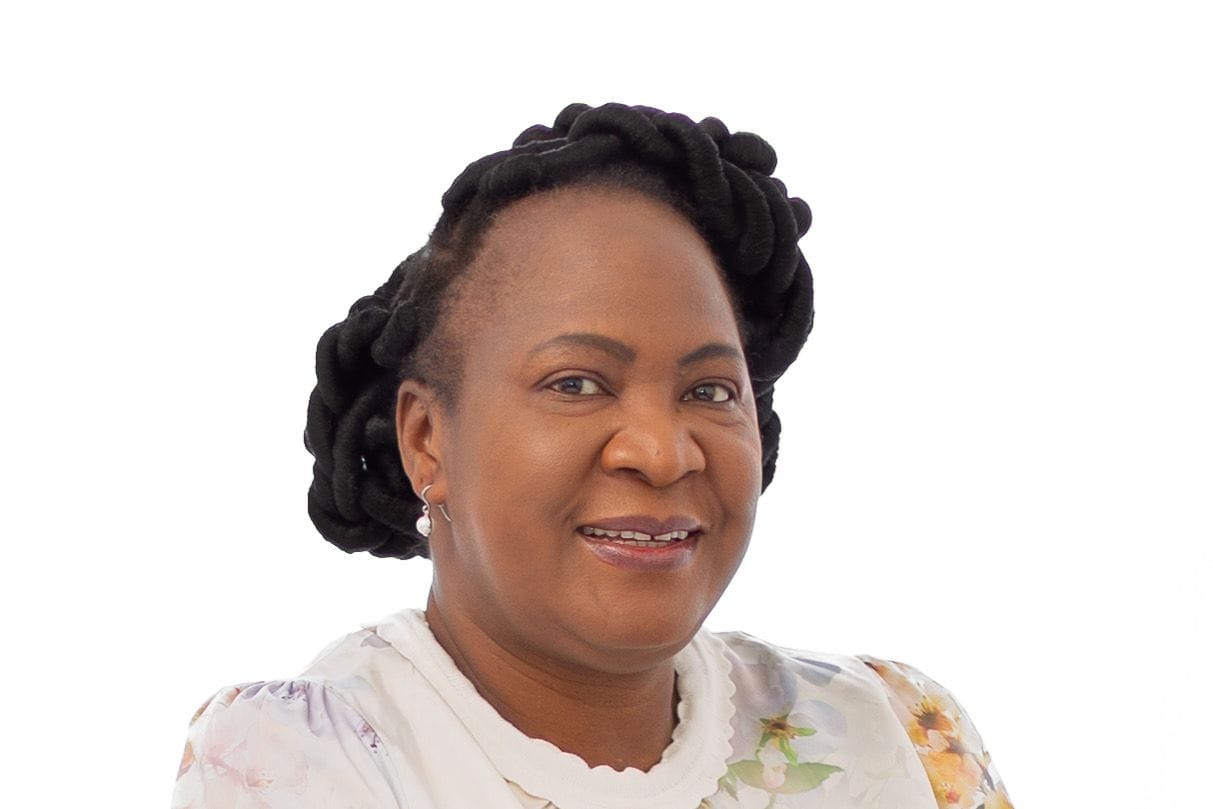
This phenomenon is what Rujeko Oscars-Brown identifies as the Identity Gap.
The Identity Gap is the chasm between who you have been forced to be, the “Survival Self”, and who you actually are. For women in the 40-to-60 age bracket, this gap often becomes a canyon. After decades of serving others, navigating career pressures, or perhaps overcoming significant life trauma, the “Self” has been buried under layers of duty and endurance.
Rujeko believes that bridging this gap is not about “finding” a new version of yourself, but rather about restoring the original architecture of who you were always meant to be.
The Architecture of “Survival Mode”
To understand why the Identity Gap exists, we must first look at how it was built. Many of the women Rujeko works with have spent years in Survival Mode.
Survival Mode is a state where the nervous system is constantly scanned for threats or demands. In this state, your primary objective is to keep everyone else safe, happy, and fed. You become an expert at “doing,” but you lose the capacity for “being.”
Rujeko knows this journey intimately. Having lived for 20 years as an undocumented migrant in the UK, she understands what it means to build a life on shifting sands. When you are in survival mode, your identity becomes “The Provider,” “The Navigator,” or “The Protector.”
You don’t have the luxury of asking, “What do I want?” because you are too busy asking, “How do we survive?”
When the crisis finally ends, whether that is the children leaving home, a health battle like cancer being won, or a career plateau, the survival armor remains. You look in the mirror and realize you are still wearing the heavy coat of a season that has already passed. The stranger in the mirror is simply a woman who has forgotten how to take that coat off.
Why the Gap Widens in Midlife
Midlife is a natural period of transition, but for many women, it feels more like a structural collapse. Rujeko’s work focuses on three specific reasons why the Identity Gap becomes impossible to ignore during these years:
- The Silence of Roles: When the roles of intensive mothering or high-pressure climbing begin to fade, the silence that remains can be deafening. Without a “to-do” list defined by others, many women realize they don’t know their own preferences.
- The Physical Shift: Menopause and health challenges can make the body feel like “unreliable terrain.” When your physical vessel changes rapidly, it can trigger a trauma response, making you feel further alienated from your sense of self.
- The Call of Purpose: There is an internal nudge—often a spiritual one—that begins to whisper that there is more to life than just enduring. This is where the biblical anchor of Isaiah 41:10 provides such profound comfort: “So do not fear, for I am with you; do not be dismayed, for I am your God. I will strengthen you and help you; I will uphold you with my righteous right hand.” This promise reminds us that even when we feel lost to ourselves, we are not lost to Him.
Closing the Gap: Rujeko’s Restorative Framework
Bridging the Identity Gap is not an overnight event; it is a process of Reinvention through small, intentional movements. Rujeko guides women through a specific framework designed to bring the “Inner Self” and the “Mirror Self” back into alignment.
1. Grounding: Acknowledging the Now
The first step is to stop running from the stranger in the mirror. Grounding is the practice of becoming present in your current body and your current life without judgment. It involves acknowledging the trauma or the “survival years” you have endured.
Instead of being frustrated that you don’t know who you are, Rujeko encourages women to say: “I have been busy surviving, and I am grateful to myself for getting me this far. Now, it is safe to explore.”
2. Reframing: Shedding the Survival Labels
We often define ourselves by our scars or our struggles. A woman might say, “I am a cancer survivor,” or “I am an immigrant.” While these are parts of the story, they are not the whole identity. Rujeko helps women reframe these labels.
You are not just someone who survived; you are someone with extraordinary resilience, perspective, and courage. By changing the language, you begin to see the stranger in the mirror as a hero rather than a victim.
3. Experimenting: The “Identity Test-Drive”
If you don’t know what you like anymore, you must experiment. This is the playful part of reinvention. It involves trying new things, hobbies, ways of speaking, career paths, without the pressure of them being “permanent.”
It is about gathering data on what makes your soul feel alive. Does this career path fit the woman I am today, or the woman I was ten years ago?
Moving From “Dismayed” to “Upheld”
The Identity Gap feels scary because it feels like a loss. But in Rujeko’s experience, and in her own life, this gap is actually an invitation. It is the space where God does His best work of restoration.
When you feel “dismayed” by the stranger in the mirror, remember that your identity was never actually lost. It was simply held in trust for you while you were doing the hard work of surviving. Now that the season has changed, you are allowed to reclaim it.
You do not have to navigate this transition alone. The feeling of being “unmoored” is common, but it doesn’t have to be your permanent state. There is a way to build a life that feels authentic, where the woman you see in the mirror is a woman you recognize, love, and respect.
Taking the First Step
Acknowledging that there is a gap between who you are and who you want to be is the first essential step toward healing. However, true transformation rarely happens in isolation.
Reading and reflecting are the foundations, but meaningful change often requires a guide who has walked the path from survival to revival.
Rujeko Oscars-Brown offers a trauma-informed, empathetic space for women to explore their identity and begin the process of purposeful reinvention.
Whether you are navigating a career shift, recovering from a life-altering health diagnosis, or simply feeling “invisible” in your own life, there is a blueprint for your restoration.
If you are ready to stop meeting a stranger in the mirror and start embracing the woman you were created to be, Rujeko invites you to take a courageous step forward.
Book a Free Discovery Call with Rujeko today to discuss your personal journey and explore how her 6 or 8-week programs can help you bridge the gap and step into your “Third Act” with confidence and clarity.